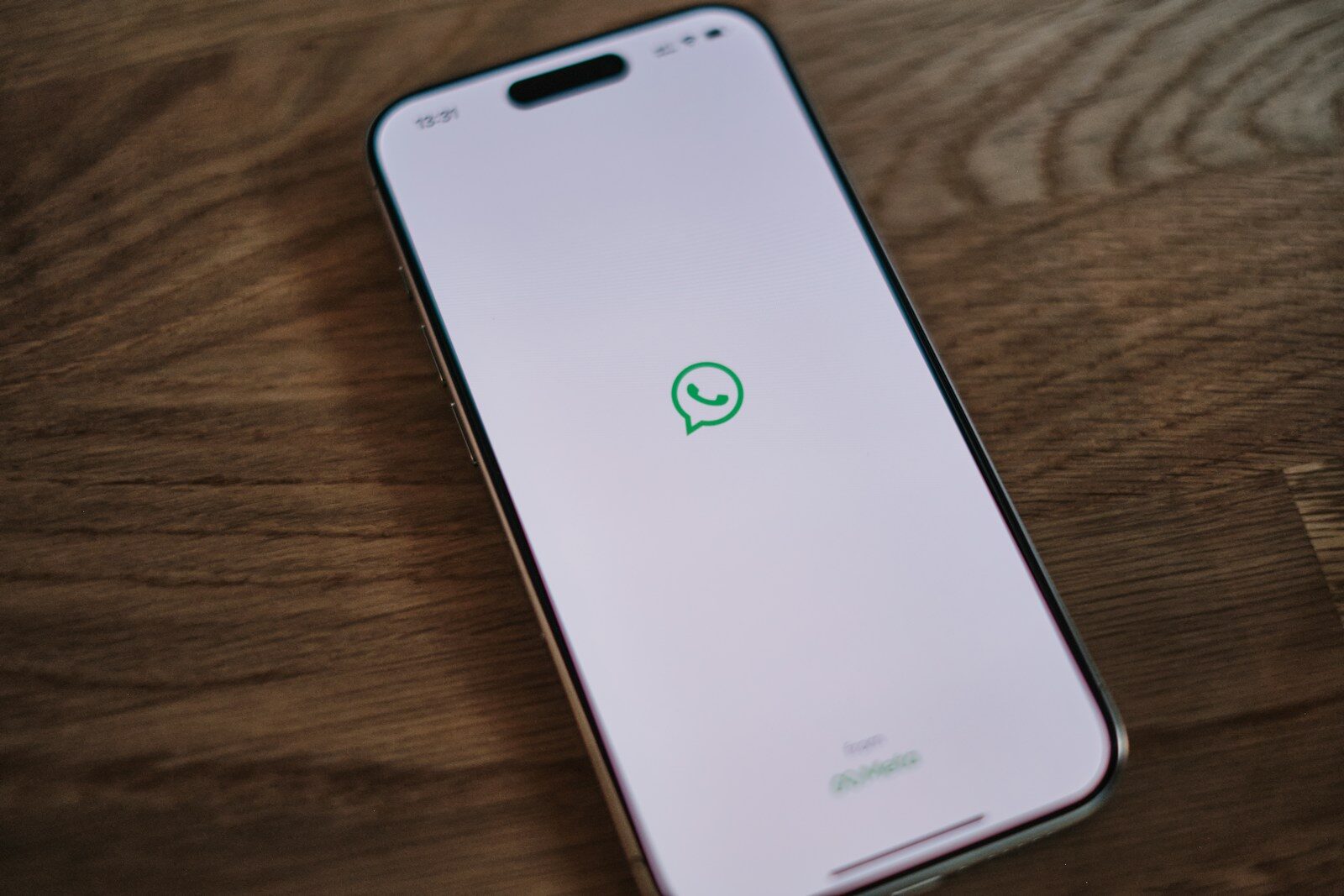
For years, WhatsApp has been one of the most important communication channels for Indian businesses. A customer sees an advertisement, clicks a WhatsApp button, asks a question, discusses the product, shares their requirements and sometimes completes the purchase without ever opening a traditional website.
But in 2026, WhatsApp marketing is entering a different phase.
Businesses are no longer thinking about WhatsApp simply as a free communication tool. They are increasingly looking at it as part of their customer acquisition, sales, support and retention infrastructure.
That shift has become even more important in October 2026, as WhatsApp Business messaging costs and payment requirements have changed in India. Businesses using WhatsApp for customer communication now have to think more carefully about messaging economics, campaign quality and the value generated from every conversation.
For digital marketing students, this creates an important lesson.
Knowing how to create an advertisement is no longer enough. Marketers need to understand what happens after the click.
This is one of the areas where BWD Institute in Jaipur is focused on building a more practical understanding of digital marketing—helping students think beyond individual platforms and understand how marketing channels work together to create business outcomes.
WhatsApp Is Becoming More Than a Messaging Platform
The traditional digital marketing funnel was relatively straightforward:
Advertisement → Website → Form → Sales Team → Customer
Today, that journey can look very different:
Advertisement → WhatsApp → Conversation → Qualification → Payment → Repeat Purchase
The difference is significant.
A website can provide information, but a conversation can answer objections immediately.
A customer might see a digital advertisement for a course, clinic, real estate property, restaurant or local service. Instead of filling out a long form, they can simply send a WhatsApp message.
That message becomes the beginning of a sales conversation.
Meta’s India research published earlier in 2026 highlighted the growing importance of WhatsApp in commerce. The company reported that WhatsApp is increasingly connecting discovery, purchase and post-purchase journeys, while businesses using Business Messaging and Click-to-WhatsApp campaigns have seen improvements in leads, return on ad spend and order value in its reported data.
For marketers, this means WhatsApp deserves to be understood as part of the marketing funnel—not merely as a customer-support inbox.
Why the October 2026 WhatsApp Changes Matter
One of the biggest developments for Indian businesses this month is the change in WhatsApp Business messaging economics.
Reports indicate that from October 1, 2026, WhatsApp Business service messaging in India moved into a paid model, meaning businesses need to account for messaging costs when planning their customer communication operations. Businesses using affected integrations were also required to have a valid payment method to continue sending certain service communications.
This changes the way marketers should think about WhatsApp.
Earlier, the question could simply be:
“How can I generate more WhatsApp conversations?”
Now a better question is:
“How can I generate more valuable WhatsApp conversations?”
That distinction is extremely important.
A campaign generating 1,000 low-quality conversations may be less valuable than a campaign generating 300 highly relevant conversations from customers who have genuine purchase intent.
This is where marketing strategy, analytics and customer qualification become important.
The New Skill: Understanding Conversation Economics
Imagine two campaigns.
Campaign A
- 1,000 WhatsApp conversations
- 50 qualified prospects
- 10 customers
Campaign B
- 400 WhatsApp conversations
- 150 qualified prospects
- 40 customers
If a marketer only looks at the number of conversations, Campaign A appears better.
If the marketer looks at business outcomes, Campaign B is clearly stronger.
This is why future marketers need to understand metrics beyond clicks and leads.
They should be able to analyse:
- Cost per conversation
- Qualified conversation rate
- Cost per qualified lead
- Conversation-to-sale rate
- Customer acquisition cost
- Revenue per conversation
- Return on ad spend
- Repeat purchase rate
- Customer lifetime value
This mindset is increasingly important as digital advertising becomes more measurable and businesses demand clearer connections between marketing expenditure and revenue. Industry discussions in 2026 have increasingly focused on measurable outcomes rather than reach alone.
BWD Institute’s Approach: Teaching Marketers to Think Beyond the Ad
At BWD Institute, the objective of digital marketing education is not simply to teach students where to click inside an advertising platform.
The larger objective is to help students understand why a campaign works, where it fails and how the customer journey affects the final business result.
For example, a student working on a WhatsApp lead-generation campaign should not stop after generating conversations.
They should be able to ask:
- Are these conversations relevant?
- Are users actually interested in the product?
- How quickly are businesses responding?
- Which questions indicate purchase intent?
- Which advertisements generate better conversations?
- Which audiences convert better?
- How much does each qualified conversation cost?
- What happens after the conversation?
- Can the customer journey be improved?
That is a very different way of learning digital marketing.
It moves the student from being a campaign operator to becoming a marketing problem solver.
Why WhatsApp Is Particularly Important for Indian Businesses
India has developed a unique digital customer journey.
A customer may discover a business through Instagram, search for its reviews on Google, watch videos on YouTube, click a Meta advertisement and then move to WhatsApp for the actual conversation.
The customer does not necessarily think in terms of marketing channels.
They simply want a convenient journey.
This is why omnichannel marketing has become increasingly important.
Meta and the Retailers Association of India reported in 2026 that more than half of retail consumers research products online before purchasing in-store, while many also research in-store before buying online. The same research highlighted the growing role of messaging in connecting different stages of the customer journey.
For a digital marketer, this means the job is becoming less about managing isolated platforms.
It is about connecting them.
From Lead Generation to Lead Qualification
One of the biggest problems businesses face with digital advertising is poor-quality leads.
A campaign can generate hundreds of enquiries while producing very few actual customers.
WhatsApp creates an opportunity to improve this process because the conversation itself can become part of the qualification system.
For example, instead of simply asking:
“Are you interested?”
a business can structure conversations around useful questions:
- What service are you looking for?
- What is your approximate budget?
- When do you want to start?
- Which location are you based in?
- What problem are you trying to solve?
The objective isn’t to make the conversation feel like an interrogation.
The objective is to understand customer intent.
A marketer who understands this can help a business improve both lead quality and sales efficiency.
Why BWD Students Need to Understand Customer Journeys
The digital marketing industry is changing rapidly.
Platforms will continue to introduce new advertising formats.
Algorithms will change.
AI will automate more campaign operations.
New communication channels will appear.
But one thing will remain important:
Understanding the customer.
A marketer who understands customer psychology, intent, objections and buying behaviour can adapt to new platforms much faster.
That is why practical digital marketing education should not revolve around memorising platform features.
Students need to understand the bigger system.
At BWD Institute, this perspective is particularly relevant because students are being prepared for an industry where digital marketing increasingly connects advertising, content, communication, analytics, automation and sales.
The Rise of Conversational Marketing
Traditional marketing often tries to convince customers through static messages.
Conversational marketing works differently.
Instead of saying:
“Here is our product. Buy now.”
the business can create a journey where the customer asks questions and receives relevant information.
This can be especially useful for industries where customers have many questions before purchasing.
Examples include:
- Education
- Healthcare
- Real estate
- Automotive
- Financial services
- Travel
- Professional services
- Beauty and wellness
- Local businesses
- High-value products
For these businesses, the conversation itself can become an important part of conversion.
This creates opportunities for marketers who understand both advertising and customer communication.
WhatsApp Marketing Also Requires Better Budgeting
The move toward paid business messaging makes budgeting even more important.
A marketer cannot simply recommend:
“Let’s send more WhatsApp messages.”
Instead, they should ask:
“Which messages create business value?”
For example, businesses may need different strategies for:
- New lead follow-ups
- Customer support
- Appointment reminders
- Order updates
- Retention campaigns
- Promotional communication
- Re-engagement
- Abandoned enquiries
- Post-purchase communication
Each communication has a different purpose.
The marketer’s job is to understand the economics and customer experience behind each one.
This is the kind of thinking that can differentiate a trained digital marketer from someone who has only learned basic social media posting.
The Importance of First-Party Customer Data
Another major lesson from the current digital marketing environment is the growing importance of customer-owned data.
Businesses increasingly want to understand their customers without depending entirely on rented audiences from advertising platforms.
First-party data can include information such as:
- Customer enquiries
- Purchase history
- Website interactions
- CRM records
- Customer preferences
- Previous conversations
- Appointment history
- Repeat purchases
However, collecting and using customer information also requires responsible data practices, consent and appropriate privacy controls.
Recent industry discussions around programmatic advertising have highlighted the importance of responsible data use, consent and effective first-party data activation.
Therefore, the modern digital marketer needs to understand both marketing performance and responsible data usage.
Why Practical Learning Matters More Than Ever
Digital marketing is one of those fields where theoretical knowledge can quickly become outdated.
A student might memorise what a campaign objective does today.
Six months later, the platform could change the interface.
A student might learn one specific advertising feature.
The platform could remove it.
But if the student understands:
Audience → Message → Offer → Journey → Conversion → Measurement
they can adapt.
That is why practical learning becomes increasingly valuable.
At BWD Institute, the focus is on helping students understand marketing as a business function rather than treating every platform as an isolated subject.
The goal is to develop marketers who can look at a business problem and ask:
“What is stopping this customer from converting?”
rather than simply:
“Which button should I click?”
The Future Digital Marketer Will Need Multiple Skills
The WhatsApp shift is just one example of a larger transformation happening across digital marketing.
Tomorrow’s marketers will increasingly need to combine:
Strategy
Understanding the business objective and customer journey.
Advertising
Knowing how to acquire the right audience.
Content
Creating messages that communicate value.
Conversation
Turning enquiries into meaningful customer interactions.
Analytics
Understanding what is actually generating results.
Automation
Reducing repetitive manual work.
AI
Using intelligent tools to improve research, content, analysis and execution.
Privacy Awareness
Understanding how customer data should be collected and used responsibly.
This combination is much more valuable than knowing one platform in isolation.
BWD Institute’s Vision for Future-Ready Marketers
BWD Institute’s approach is built around the idea that digital marketing education should evolve with the industry.
The digital marketing landscape students are entering today is very different from the one that existed several years ago.
Marketing is becoming more conversational.
Advertising is becoming more measurable.
Customer journeys are becoming more connected.
AI is becoming part of everyday marketing operations.
And platforms are increasingly becoming commerce environments rather than simply media channels.
For students in Jaipur who want to build careers in this industry, understanding these changes can provide an important advantage.
BWD Institute aims to create a learning environment where students can move beyond textbook definitions and develop a practical understanding of how modern marketing actually works.
The institute also positions its practical-skills commitment strongly, with a 100% fees refund if BWD is unable to provide practical digital marketing skills, subject to the institute’s applicable terms and conditions.
What Students Should Look for in a Digital Marketing Institute in 2026
When choosing a digital marketing institute, students should ask questions beyond:
“How many modules are included?”
Instead, ask:
- Will I work on practical marketing problems?
- Will I understand campaign measurement?
- Will I learn how to analyse customer journeys?
- Will I understand current advertising platforms?
- Will I work with modern AI tools?
- Will I learn how marketing connects with sales?
- Will I understand automation and analytics?
- Will I be able to explain why a campaign succeeded or failed?
- Will I develop skills that can adapt when platforms change?
These questions are much more useful for evaluating the quality of digital marketing education.
The Bigger Lesson Behind WhatsApp’s 2026 Changes
The WhatsApp Business changes are not simply about messaging fees.
They represent something bigger.
Digital marketing is moving toward an environment where every interaction needs to create measurable value.
Generating a message is not the final objective.
Generating a lead is not the final objective.
Getting a click is not the final objective.
The ultimate question is:
Did marketing help the business achieve its goal?
That might mean a sale, appointment, admission, enquiry, repeat purchase, store visit or qualified customer.
The marketers who understand this distinction will be better prepared for the next phase of the industry.
BWD Institute and the Next Generation of Digital Marketing
The future of digital marketing will not belong exclusively to people who know Meta Ads, Google Ads, SEO or social media.
It will belong to marketers who can connect these tools into a complete customer journey.
WhatsApp is one example of that transformation.
A customer can discover a brand through an advertisement, ask questions through WhatsApp, receive personalised information, make a purchase and later return through another digital touchpoint.
The marketer’s responsibility is to understand the entire journey.
That is the kind of thinking BWD Institute aims to encourage among aspiring digital marketers in Jaipur.
Because the future marketer shouldn’t just know how to run a campaign.
They should know how to turn attention into conversations, conversations into customers and customers into long-term business value.